Pages

Senin, 12 Mei 2025

pembuatan mozaik semarang


mozaik semarang

Jumat, 26 Juni 2020

Free Software Downloads 2020

Fast downloads for power users: No bundles, no malware, focus on quality
Software essentials for Windows, macOS and Android. TechSpot Downloads is updated every day with dozens of apps covering everything from productivity and communication, to security and gaming. Download safely while discovering alternative software you can try.


Latest Updates in Downloads

  • iTunes is a free application for Mac and PC. It plays all your digital music and video. It syncs content to your iPod, iPhone, and Apple TV.
    • June 25, 2020
    • Freeware
    • Windows
  • MPC-HC is a lightweight, open source media player. It supports most video and audio file formats out there.
    • June 25, 2020
    • Freeware
    • Windows
  • Backup and Sync is an app for Mac and PC that backs up files and photos safely in Google Drive and Google Photos, so they're no longer trapped on your computer and other devices.
    • June 25, 2020
    • Freeware
    • Windows/macOS
  • Provides the optimal gaming experience for the latest new titles and updates.
    • June 24, 2020
    • Windows (all)
  • OneDrive is the one place for everything in your life.
    • June 25, 2020
    • Freeware
    • Windows/macOS/Android/iOS
  • Whether you're gaming on a smartphone, tablet, notebook, laptop, desktop, or a high performance gaming PC, 3DMark includes a benchmark designed specifically for your device.
    • June 25, 2020
    • Freeware
    • Windows
  • SMPlayer is a free media player for Windows and Linux with built-in codecs that can play virtually all video and audio formats. It doesn't need any external codecs. Just install SMPlayer and you'll be able to play all formats without the hassle to find and install codec packs.
    • June 25, 2020
    • Freeware
    • Windows
  • Provides the optimal gaming experience for the latest new titles and updates.
    • June 24, 2020
    • Windows 10
  • Web Builder is a WYSIWYG (What-You-See-Is-What-You-Get) program used to create web pages.
    • June 25, 2020
    • Free to Try
    • Windows
  • Ultimate internet traffic control and monitoring tool designed.
    • June 25, 2020
    • Freeware
    • Windows
  • UltimateDefrag is the ultimate defragger and File Placement Optimizer.
    • June 25, 2020
    • Free to Try
    • Windows
  • This Zip file contains all of the Intel Ethernet network drivers and software for Windows, Linux and FreeBSD for most Intel Ethernet Adapters as found on the CD that accompanies Intel Ethernet Adapters.
    • June 28, 2020
    • Windows (all)
  • fre:ac is a free audio converter and CD ripper with support for various popular formats and encoders. It currently converts between MP3, MP4/M4A, WMA, Ogg Vorbis, FLAC, AAC, WAV and Bonk formats.
    • June 25, 2020
    • Freeware
    • Windows
  • Universal Media Server is a DLNA-compliant UPnP Media Server. It was originally based on PS3 Media Server by shagrath.
    • June 25, 2020
    • Freeware
    • Windows/macOS/Linux
  • GlassWire's firewall software reveals threats your antivirus missed.
    • June 25, 2020
    • Freeware
    • Windows/Android
  • This new driver introduces the Balanced Power Plan for AMD Ryzen processors.
    • June 13, 2020
    • Windows 7/8/10
  • Cross-platform file and archive manager. Features volume spanning, compression, authenticated encryption.
    • June 25, 2020
    • Freeware
    • Linux
  • A bundling of dozens of selected troubleshooting Sysinternals Utilities.
    • June 25, 2020
    • Freeware
    • Windows
  • Windows Firewall Control is a nifty little application which extends the functionality of the Windows Firewall and provides quick access to the most frequent options of Windows Firewall.
    • June 25, 2020
    • Freeware
    • Windows
  • Keep the graphics on your Mac running at top speeds with the latest Nvidia driver.
    • June 5, 2020
    • Mac OS X
  • Tool to increase download speeds by up to 500 percent, resume and schedule downloads.
    • June 25, 2020
    • Free to Try
    • Windows
  • Helps systematize and store securely valuable information.
    • June 25, 2020
    • Free to Try
    • Windows
  • Professional hardware information and diagnostic tools supporting latest components, industry technologies and standards.
    • June 25, 2020
    • Freeware
    • Windows
  • The tvOS 13.4.6 SDK provides support for developing tvOS apps for Apple TV devices running tvOS 13.0
    • June 1, 2020
    • Mac OS X
  • Create PDF files without Acrobat and combine documents into a single PDF.
    • June 25, 2020
    • Free to Try
    • Windows
  • A powerful system information tool for Windows.
    • June 25, 2020
    • Freeware
    • Windows
  • The ideal text, HTML and HEX editor, and an advanced PHP, Perl, Java and JavaScript editor for programmers.
    • June 25, 2020
    • Free to Try
    • Windows
  • To update your iPod you will need to download the latest firmware file (IPSW). With this update your iPod touch becomes more intelligent and proactive with powerful search and improved Siri features.
    • June 1, 2020
    • Apple iOS
  • Opera for Windows is packaged in a portable browser version that you can always have at hand on a USB drive.
    • June 25, 2020
    • Freeware
    • Windows
  • Developed specifically for automatic removal of viruses, bots, spyware, keyloggers, trojans, scareware and rootkits without the need to manually edit system files or registry.
    • June 25, 2020
    • Free to Try
    • Windows
  • Automatically removes the copy protection of a DVD movie as soon as it's inserted into the drive.
    • June 25, 2020
    • Free to Try
    • Windows
  • To update your iPad you will need to download the latest firmware file (IPSW).
    • June 1, 2020
    • Apple iOS
  • TinyWall is a free software to harden and control the advanced firewall built into modern Windows systems.
    • June 25, 2020
    • Freeware
    • Windows
  • Rename multiple files with the click of a button. Batch renaming made easy.
    • June 25, 2020
    • Freeware
    • Windows
  • Evernote is a free note-taking application for Windows, Mac, Android, iOS, WP, and BB with cross platform support.
    • June 25, 2020
    • Freeware
    • Windows/macOS/Android/iOS
  • To update your iPhone you will need to download the latest firmware file (IPSW).
    • June 1, 2020
    • Apple iOS
  • The Microsoft Safety Scanner is a free downloadable security tool that provides on-demand scanning and helps remove viruses, spyware, and other malicious software. It works with your existing antivirus software.
    • June 25, 2020
    • Freeware
    • Windows
  • The Kaspersky Virus Removal Tool application was designed to be another virus scanner and detection software from Kaspersky
    • June 25, 2020
    • Freeware
    • Windows
  • mp3DirectCut is a fast and extensive audio editor and recorder for mp3 files. You can directly cut, copy, paste or change the volume with no need to decompress your files.
    • June 25, 2020
    • Freeware
    • Windows
  • iOS 13 is faster and more responsive with optimizations across the system that improve app launch, reduce app download sizes and make Face ID even faster.
    • June 1, 2020
    • Apple iOS
 

Inilah 10 HP yang Sedang Trend di Indonesia (Juni 2020)

Jika Anda adalah salah seorang yang mengikuti perkembangan teknologi, maka Anda tentu selalu up-to-date terhadap smartphone yang sedang tren di Indonesia saat ini. Di tahun ini, ada banyak varian smartphone yang cukup booming di pasar gadget Indonesia. Tak hanya dari kalangan ponsel high-end saja, HP yang lagi booming tersebut juga berasal dari kelas mid-end dan low-end.
Nah, kali ini Carisinyal akan membahas daftar HP yang lagi trend di Indonesia saat ini. HP ini cukup banyak diperbincangkan oleh masyarakat Indonesia karena beberapa alasan, termasuk fitur-fitur menggoda yang ditawarkannya. Yuk, langsung saja cari tahu daftar selengkapnya berikut ini.

1. Samsung Galaxy S20 Ultra

Samsung Galaxy S20 Ultra
  • Rilis: Maret 2020
  • Layar: Dynamic AMOLED 2X 6.9 inches, 1440 x 3200 pixels
  • Chipset: Exynos 990 (7 nm+)
  • GPU: Mali-G77 MP11
  • RAM: 12 GB
  • Memori Internal: 128 GB
  • Memori Eksternal: microSDXC (uses shared SIM slot)
  • Kamera Belakang: Quad 108 MP + 48 MP + 12 MP + 0,3 MP
  • Kamera Depan: 40 MP
  • Baterai: Non-removable Li-Po 5000 mAh
Spesifikasi selengkapnya…
Cek Harga di Shopee
Cek Harga di Lazada
Seperti biasa, saat Samsung merilis ponsel flagship terbaru mereka ke pasaran, hal itu sering menjadi perbincangan hangat di kalangan pecinta gadget. Nah, di kuartal pertama tahun 2020, mereka kembali mengenalkan suksesor Galaxy S10 yang sebelumnya banyak menyita perhatian publik.
Ialah Samsung Galaxy S20 Ultra yang merupakan model paling tinggi di lini Galaxy S20. Ponsel ini tersedia dalam model LTE dan 5G, sedangkan yang masuk ke pasar Indonesia adalah yang model LTE. Dengan beragam fitur dan teknologi canggih yang dibawanya, HP ini dibanderol dengan harga Rp 18 jutaan!
Samsung membuat produknya ini unggul di berbagai sisi, termasuk tampilan yang sangat mengesankan, bangunan yang berkualitas tinggi, performa yang unggul, daya tahan baterai yang dapat diandalkan serta suara yang menggelegar. Pengaturan kameranya juga merupakan salah satu yang paling hebat di dunia, sehingga berhasil masuk top 10 performers (per Mei 2020) di situs DxOMark.
Tidak hanya unggul secara perangkat keras, namun Samsung Galaxy S20 Ultra juga memiliki ekosistem perangkat lunak yang sangat baik. Berkat kerja sama dengan banyak pengembang perangkat lunak top dunia, HP ini mampu menawarkan banyak keseruan yang berkelas kepada penggunanya.

2. Oppo Find X2 Pro

Oppo Find X2 Pro
  • Rilis: Maret 2020
  • Layar: AMOLED 6,7 inci, 1440 x 3168 pixels
  • Chipset: Snapdragon 865 (7 nm+)
  • GPU: Adreno 650
  • RAM: 12 GB
  • Memori Internal: 512 GB
  • Memori Eksternal:
  • Kamera Belakang: 48 MP + 13 MP + 48 MP
  • Kamera Depan: 32 MP
  • Baterai: Non-removable Li-Po 4260 mAh
Spesifikasi selengkapnya…
Cek Harga di Shopee
Cek Harga di Lazada
Salah satu HP terbaik yang pernah diproduksi oleh Oppo ini juga mendapatkan banyak sambutan di Indonesia. Salah satu penyebabnya adalah Oppo Find X2 Pro dan versi regulernya merupakan dua perangkat 5G yang pertama masuk ke Tanah Air, sehingga sudah pasti banyak media yang mengangkat hal ini.
Oppo Find X2 Pro hadir untuk bersaing dengan ponsel flagship unggulan dari brand lainnya yang sudah banyak bermunculan sejak kuartal pertama tahun 2020. Dengan harga jual di angka Rp 17 jutaan, HP ini menawarkan sejumlah keunggulan kepada penggunanya.
Di luar statusnya sebagai ponsel 5G, Find X2 Pro ini memiliki desain yang keren dan berkelas, khususnya untuk versi kulit. Bodinya dibuat tangguh dengan rating IP68 dan Gorilla Glass 6 di bagian depan. Kedua, tampilannya juga sangat mengesankan dengan dukungan HDR10+ dan laju penyegaran 120Hz.
Tampilan HP ini juga memiliki tingkat kecerahan yang sangat tinggi maksimal 800 nits, sehingga dapat diandalkan dengan baik untuk pemakaian di luar ruangan. Bagian-bagian lain HP ini juga dibuat unggulan, seperti pengaturan kamera yang hebat di belakang yang juga berhasil masuk top 10 performers (per Mei 2020) di situs DxOMark.

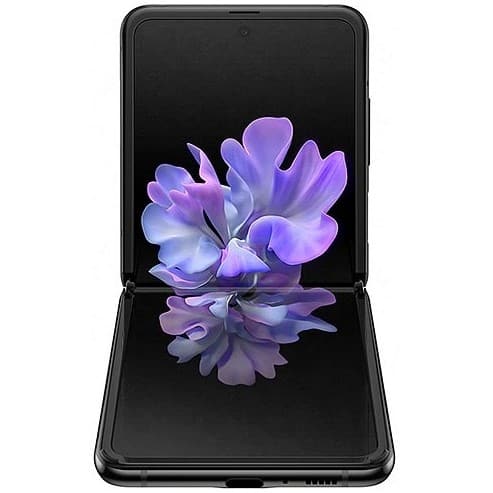
3. Samsung Galaxy Z Flip

Samsung Galaxy Z Flip
  • Rilis: Februari 2020
  • Layar: Foldable Dynamic AMOLED 6.7 inches, 1080 x 2636 pixels
  • Chipset: Snapdragon 855+ (7 nm)
  • GPU: Adreno 640 (700 MHz)
  • RAM: 8 GB
  • Memori Internal: 256 GB
  • Memori Eksternal:
  • Kamera Belakang: Dual 12 MP + 12 MP
  • Kamera Depan: 10 MP
  • Baterai: Non-removable Li-Po 3300 mAh
Spesifikasi selengkapnya…
Cek Harga di Shopee
Cek Harga di Lazada
Bagian yang paling menarik perhatian dari Samsung Galaxy Z Flip adalah tampilan. Ya, HP ini mengusung layar lipat yang tampak mutakhir yang belum banyak diadopsi oleh kebanyakan ponsel pintar di tahun 2020.
Meskipun secara spesifikasi berada di bawah Samsung Galaxy S20 Ultra, namun harga Samsung Galaxy Z Flip lebih mahal dari ponsel tersebut. Mengapa bisa demikian?
Ini sudah pasti karena teknologi layarnya. Dengan berbagai pertimbangan, seperti biaya produksi dan pengembangan yang lebih mahal, maka tak heran HP ini memiliki harga jual yang cukup menguras kantong.
Karena membawa teknologi canggih, Samsung Galaxy Z Flip pastinya menawarkan gaya dan nilai prestise yang lebih tinggi dibanding kebanyakan smartphone flagship yang ada sejauh ini.

4. Huawei P40 Pro

Huawei P40 Pro
  • Rilis: April 2020
  • Layar: OLED 6,58 inci, 1200 x 2640 pixels
  • Chipset: HiSilicon Kirin 990 5G (7 nm+)
  • GPU: Mali-G76 MP16
  • RAM: 8 GB
  • Memori Internal: 128 GB, 256 GB, 512 GB
  • Memori Eksternal: Hingga 256 GB
  • Kamera Belakang: 50 MP + 12 MP + 40 MP + Kamera TOF 3D
  • Kamera Depan: 32 MP + IR TOF 3D
  • Baterai: Non-removable Li-Po 4200 mAh
Spesifikasi selengkapnya…
Cek Harga di Shopee
Cek Harga di Lazada
Belakangan, brand Huawei melejit karena sejumlah produknya berhasil menduduki posisi tertinggi sebagai smartphone dengan kamera terbaik di dunia versi DxOMark. Di kuartal kedua tahun 2020 mereka meluncurkan lini Huawei P40 sebagai ponsel flagship terbaru mereka.
Salah satu modelnya, Huawei P40 Pro berhasil menyita perhatian pecinta gadget dunia, termasuk Indonesia karena kemampuan kameranya yang sangat hebat. Kamera ponsel itu berhasil mencetak skor yang tinggi dalam uji lab DxOMark dan berhasil menjadi top performer dengan skor 128 untuk kamera utama dan 103 untuk kamera selfie (data per Mei 2020).
Beberapa hal lain yang diunggulkan dari Huawei P40 Pro adalah desain yang menarik dengan bodi tahan debu dan air, tampilan beresolusi tinggi dengan laju penyegaran 90Hz, dan performa yang cepat berkat salah satu chipset terbaik di pasaran. Sayangnya, absennya Google Play Services berarti banyak keseruan yang tidak dapat dilakukan dengan HP ini.

5. Xiaomi Mi 10

Xiaomi Mi 10 5G
  • Rilis: Februari 2020
  • Layar: Super AMOLED 6.67 inches, 1080 x 2340 pixels
  • Chipset: Snapdragon 865 (7 nm+)
  • GPU: Adreno 650
  • RAM: 8 GB, 12 GB
  • Memori Internal: 128 GB, 256 GB
  • Memori Eksternal:
  • Kamera Belakang: Quad 108 MP + 13 MP + 2 MP + 2 MP
  • Kamera Depan: 20 MP
  • Baterai: Non-removable Li-Po 4780 mAh
Spesifikasi selengkapnya…
Cek Harga di Shopee
Tidak mau ketinggalan, Xiaomi juga memboyong salah satu perangkat 5G mereka ke Indonesia, yaitu Xiaomi Mi 10. Dengan harga Rp 9,9 jutaan, sejauh ini Mi 10 disebut-sebut sebagai ponsel termahal Xiaomi yang dijual di Indonesia. Lalu apa yang membuat HP ini mendapat perhatian pecinta gadget Tanah Air di luar statusnya sebagai perangkat 5G?
Pertama dan seperti biasanya, HP ini memiliki harga jual yang kompetitif. Dengan sejumlah fitur unggulan, tentu itu adalah penawaran yang menarik. Dari segi tampilan, Mi 10 5G hadir dengan panel OLED Full HD dengan laju penyegaran 90Hz, HDR10+ serta tingkat kecerahan yang tinggi.
Performa Mi 10 juga dibuat powerful dengan Snapdragon 865, chipset Android tercepat saat ini. Kamera, meski tanpa lensa telefoto adalah bagian yang cukup menonjol dari HP ini. Dengan kamera utama beresolusi 108 MP, kemampuan keseluruhan kamera Mi 10 5G tergolong hebat, baik untuk memotret maupun merekam.
Xiaomi Mi 10 5G juga dibekali dengan pengeras suara stereo berkualitas tinggi, sehingga bersama dengan tampilan mengesankannya mampu menghadirkan pengalaman audio visual yang baik. Secara keseluruhan, HP ini akan lebih hebat lagi jika memiliki lensa telefoto serta bodi tahan air dengan rating IP68.

6. Samsung Galaxy A51

Samsung Galaxy A51
  • Rilis: Desember 2019
  • Layar: Super AMOLED 6,5 inci, 1080 x 2400 pixels
  • Chipset: Exynos 9611 (10nm)
  • GPU: Mali-G72 MP3
  • RAM: 6 GB, 8 GB
  • Memori Internal: 128 GB
  • Memori Eksternal: microSDXC (dedicated slot)
  • Kamera Belakang: 48 MP + 12 MP + 5 MP + 5 MP
  • Kamera Depan: 32 MP
  • Baterai: Non-removable Li-Po 4000 mAh
Spesifikasi selengkapnya…
Cek Harga di Shopee
Cek Harga di Lazada
Samsung Galaxy A51 adalah pilihan yang bagus jika Anda sedang mencari smartphone kelas menengah yang berkualitas di kelas harga empat jutaan. Lalu apa saja hal menarik dari ponsel yang satu ini?
HP ini menawarkan desain yang ringkas dan bobot ringan untuk perangkat dengan layar di atas 6 inci dan baterai 4000 mAh yang daya tahannya dapat diandalkan. Selain itu, desain HP ini juga cukup menonjol di kelasnya, bahkan bisa dibilang lebih baik dari beberapa ponsel flagship murah yang ada.
Galaxy A51 juga hadir dengan tampilan yang cemerlang, cocok bagi mereka yang hobi bermultimedia. Di samping itu, kinerja kamera belakangnya juga bagus secara keseluruhan, khususnya untuk pemotretan di siang hari.

7. Realme 6 Pro

Realme 6 Pro
  • Rilis: Maret, 2020
  • Layar: IPS LCD 6,6 inci, 1080 x 2400 pixels
  • Chipset: Qualcomm SM7125 Snapdragon 720G (8 nm)
  • GPU: Adreno 618
  • RAM: 8 GB
  • Memori Internal: 128 GB
  • Memori Eksternal: microSDXC (slot khusus)
  • Kamera Belakang: 64 MP, 12 MP, 8 MP, 2 MP
  • Kamera Depan: 16 MP + 8 MP
  • Baterai: Non-removable Li-Po 4300 mAh
Spesifikasi selengkapnya…
Cek Harga di Shopee
Cek Harga di Lazada
Ponsel kelas menengah Realme ini dibanderol di angka empat jutaaan. Dengan sejumlah fitur unggulan yang ditawarkannya, HP ini mendapatkan cukup perhatian karena harganya yang kompetitif.
Misal, Realme 6 Pro memiliki tampilan yang mengesankan dengan laju penyegaran 90Hz. Sebagai informasi, ada beberapa ponsel di atasnya yang bahkan hanya menawarkan tampilan 60Hz. Ini jelas sebuah keunggulan bagi Realme 6 Pro.
Pengaturan kamera HP ini juga tergolong hebat, baik di belakang maupun di depan untuk selfie. Anda dapat melakukan bidikan zoom dengan kamera telefotonya. Pun dengan dua kamera depannya (wide+ultrawide), Anda dapat merasakan swafoto yang mengesankan.
Performa Realme 6 Pro juga termasuk salah satu unggulan di kelas harganya berkat dukungan chip Snapdragon 720G yang dikombinasikan dengan RAM 8 GB serta ROM UFS 2.1 seluas 128 GB. Dan masih ada lagi kelebihan-kelebihan lainnya yang tidak disebutkan di sini.

8. vivo V19

vivo V17 India
  • Rilis: Maret 2020
  • Layar: Super AMOLED 6,44 inci, 1080 x 2400 pixels
  • Chipset: Snapdragon 675 (11 nm)
  • GPU: Adreno 612
  • RAM: 8 GB
  • Memori Internal: 128/256 GB
  • Memori Eksternal: microSD, up to 256 GB (uses shared SIM slot)
  • Kamera Belakang: 48 MP + 8 MP + 2 MP + 2 MP
  • Kamera Depan: 32 MP
  • Baterai: Non-removable Li-Po 4500 mAh
Spesifikasi selengkapnya…
Cek Harga di Shopee
Cek Harga di Lazada
vivo V19 khusus Indonesia ini hadir dalam dua varian memori penyimpanan, yaitu 128 GB dan 256 GB dengan dukungan microSD.  Keduanya sama-sama dibanderol di angka empat jutaan dan menjadi salah satu ponsel kelas menengah yang banyak dilirik.
Seperti biasa, kamera merupakan salah satu nilai jual utama dari produk ini. Ada empat modul kamera di belakang dengan pengaturan yang bagus serta satu kamera depan punch hole yang dapat diandalkan untuk swafoto.
Secara keseluruhan, vivo V19 ini membawa parameter yang kompetitif di kelas harganya. Itu termasuk performa yang solid, tampilan yang cemerlang, baterai yang tahan lama, serta desain yang tampak muda, modern, dan fresh.

9. Realme C3 (3 kamera)

Realme C3 (3 cameras)
  • Rilis: Februari 2020
  • Layar: IPS LCD 6.5 inches, 720 x 1600 pixels
  • Chipset: Helio G70 (12 nm)
  • GPU: Mali-G52 2EEMC2
  • RAM: 3 GB
  • Memori Internal: 32 GB
  • Memori Eksternal: microSD (slot khusus)
  • Kamera Belakang: 12 MP + 2 MP + 2 MP
  • Kamera Depan: 5 MP
  • Baterai: Non-removable Li-Po 5000 mAh
Spesifikasi selengkapnya…
Cek Harga di Shopee
Cek Harga di Lazada
Realme C3 versi tiga kamera ini merupakan salah satu ponsel entry-level yang paling banyak mendapatkan perhatian pecinta gadget Tanah Air. Pasalnya dengan harga yang relatif terjangkau (Rp 1,8 jutaan), HP ini dibekali dengan sejumlah parameter menarik.
Sebagai contoh, Realme C3 membawa baterai berkapasitas 5000 mAh yang memiliki daya tahan yang bagus. Hanya saja tidak ada dukungan pengisian cepat untuknya. Namun itu tetap suatu kelebihan bagi ponsel sekelasnya. Adapun di bagian performa, HP ini hadir dengan chip gaming entry-level yang menawarkan kemampuan 3D gaming.
Tampilannya meski HD+ juga tidak begitu mengecewakan karena mendapatkan proteksi GG3 dan menawarkan tingkat kecerahan maksimum 480 nits. Sementara itu, bodinya juga telah mendapatkan proteksi tahan percikan. Secara keseluruhan, HP ini cocok bagi pekerja outdoor yang membutuhkan smartphone murah yang dapat diandalkan.

10. Samsung Galaxy A71

Samsung Galaxy A71
  • Rilis: Januari 2020
  • Layar: Super AMOLED Plus 6,7 inci, 1080 x 2400 pixels
  • Chipset: Snapdragon 730G
  • GPU: Adreno 618
  • RAM: 8 GB
  • Memori Internal: 128 GB
  • Memori Eksternal: microSDXC (dedicated slot)
  • Kamera Belakang: 64 MP + 12 MP + 5 MP + 5 MP
  • Kamera Depan: 32 MP
  • Baterai: Non-removable Li-Po 4500 mAh

Minggu, 08 April 2018

10 software development predictions for 2018

How blockchain, NLP, AI-driven tools, machine learning, serverless computing, and devops innovations will change life for developers in 2018

10 software development predictions for 2018
jpeter2 (CC0)
Developers should be burning with excitement about the opportunities ahead in 2018, with products and tools around technologies such as blockchain, chatbots, serverless functions, and machine learning becoming mature enough for real-world projects. At the same time, many developers will be worried about holding up against the pressure to deliver code and functionality faster without compromising security or performance. But there is good news on that front as well.
For developers, 2018 will be defined by this tension between seizing transformative new opportunities while coping with the pressure to do more, with higher quality. Below are 10 predictions related to how those forces will play out in the year ahead.

1. B2B transactions leveraging blockchain go into production

Businesses have begun to understand the security, reliability, and efficiency to be gained from blockchain-enabled transactions. Developers will implement many blockchain use cases across financial services and manufacturing supply chains in the coming year. Blockchain is a technology that enables efficient, secure, immutable, trusted transactions among organizations that might not fully trust each other, eliminating intermediaries.
Consider a company ordering products from an offshore manufacturer. These products get shipped via a shipping company, come through customs, through another shipping company, and finally to the buyer. Today, the verification and reconciliation of each step mostly happens through emails and spreadsheets, with a lot of people and processes involved. Blockchain eliminates manual processes and reconciliation by irrevocably recording updates to the blockchain ledger when a minimum number of parties say, “Yes, this part of the transaction happened.”
Blockchain cloud services will bring scalability, resiliency, security, and pre-built integrations with enterprise systems, making it much easier for developers to focus on the business use case as opposed to underlying hyperledger fabric implementation.

2. Chatbots routinely have real conversations with customers and employees

People are getting tired of needing multiple mobile apps to do the same job—like three different airlines apps with different ways to check in and get a boarding pass. A better way is to provide that same functionality but via the most popular app on your phone—messaging. Messaging has three attractive elements consistent across the medium: instant, expressive, and conversational – no training needed. Thanks to advances in artificial intelligence and natural language processing, people will use Facebook Messenger, Slack, WeChat, WhatsApp, or a voice assistant like Amazon Alexa or Google Home, to ask questions and get answers from intelligent bots.
Developers, using new intelligent bot-building cloud services, can quickly craft bots that understand the customer’s intent, maintain conversational state, and respond intelligently while making integration with back-end systems easy. Imagine taking a picture of a dress you saw in a movie and messaging the image to your favorite clothing store’s bot, which uses image recognition and AI to recommend similar dresses. Employees could also be huge beneficiaries of bots for tasks such as asking how many vacation days they have left, filing a help desk ticket, or ordering a replacement laptop, where the system even knows which laptops the employee is eligible for and can provide status updates on their order. Given it is much more forgiving to experiment with your own employee base, developers might first leverage their bot-building chops to build and test employee-facing bots.

3. The button disappears: AI becomes the app interface

AI becomes the UI, meaning that the synchronous, request-response model of using apps and services gradually disappears. Smartphones are still “low IQ,” because you have to pick them up, launch an application, ask for something to be done, and eventually get a response. In a new generation of intelligent apps, the app will initiate interactions via push notifications. Let’s take this a step further where an app, bot, or a virtual personal assistant using artificial intelligence will know what to do when, why, where, and how. And just do it. Two examples:
  • Expense approvals app watches your pattern of approving expense reports, starts to auto-approve 99 percent of expense reports and only brings to your attention the rare report that requires your attention.
  • Analytics app understands the underlying data, questions asked so far by the business user, questions asked of the same dataset by other users in the company, and each day provides a new insight that the analyst might not have thought of. As organizations gather more data, AI can help us learn what questions to ask of the data.
Developers need to figure out what data is really important to their business application, how to watch and learn from transactions, what business decisions would most benefit from this kind of proactive AI, and start experimenting. Embedded AI can predict what you need, deliver info and functionality via the right medium at the right time, including before you need it, and automate many tasks you do manually today.

4. Machine learning takes on practical, domain-specific uses

Machine learning is moving from the realm of obscure data science into mainstream application development, both because of the ready availability of pre-built modules in popular platforms, and because it is so useful when dealing with analysis across large, historical datasets. With machine learning, the most valuable insight comes with context — what you’ve done before, what questions you’ve asked, what other people are doing, what’s normal versus anomalous activity.
But to be effective, machine learning must be tuned and trained in a domain-specific environment that includes both the datasets it will analyze and the questions it will answer. For example, machine learning applications designed to identify anomalous user behavior for a security analyst will be very different from machine learning applications designed to optimize factory robot operations, which may be very different from those designed to do dependency mapping of a microservices-based application.
Developers will need to become more knowledgeable about domain-specific use cases to understand what data to gather, what kinds of machine learning algorithms to apply, and what questions to ask. Developers will also need to evaluate whether domain-specific SaaS or packaged applications are a good fit for a given project, given the fact that large quantities of training data are required. 
Using machine learning, developers can build intelligent applications to generate recommendations, predict outcomes, or make automated decisions.

5. DevOps moves toward NoOps

We all agree devops is critically important for helping developers build new applications and features fast, while maintaining high levels of quality and performance. The problem with devops is developers needing to spend 60 percent of their time on the ops side of the equation, thus cutting into the time devoted to development. Developers are having to integrate various continuous integration and continuous delivery (CICD) tools, maintain those integrations, and constantly update the CI/CD tool chain as new technologies are released. Everyone does CI, but not too many people do CD.  Developers will insist on cloud services to help the pendulum swing back to the dev side in 2018. That will require more automation for real CICD.
Docker gives you packaging, portability, and the ability to do agile deployments. You need CD to be a part of this Docker lifecycle. For example, if you are using containers, as soon as you commit a code change to Git, the default artifact built should be a Docker image with the new version of the code. Further, the image should automatically get pushed into a Docker registry, and a container deployed from the image into a dev-test environment. After QA testing and deployment into production, the orchestration, security, and scaling of containers should be taken care of for you. Business leaders are putting pressure on developers to deliver new innovations faster; the devops model must free up more time for developers to make that possible.

6. Open source as a service accelerates consumption of open source innovation 

The open source model remains one of the best engines of innovation, but implementing and maintaining that innovation is often too complex. For example:
  • You want a streaming data/event management platform, so you turn to Kafka. As you start leveraging Kafka at scale, you must set up additional Kafka nodes and load balance large Kafka clusters, update these clusters as new releases of Kafka come out, and then integrate this service with the rest of your environment.
  • You want Kubernetes for container orchestration. Instead of taking care of upgrades, backups, restores, and patches for your Kubernetes cluster, the platform should do all of that for you. Kubernetes ships every six weeks, so the platform should have rolling deployments and self-healing.
  • You want Cassandra for NoSQL databases. You should want the backup (incremental or full on a schedule), patching, clustering, scaling, and high availability of the Cassandra cluster to be managed by the platform.
Developers will increasingly look for cloud services to deliver all of that high-speed innovation from open source while taking care of operational and management aspects of these technologies.

7. Serverless architectures go big in production

The appeal of serverless architectures is clear: When there is demand for my code to be executed based on a certain event, infrastructure is instantiated, my code is deployed and executed, and I am charged only for the time my code runs. Let’s say you want to build a travel booking function to book/cancel flights, hotels, and rental cars. Each of these actions can be built as a serverless function written in different languages such as Java, Ruby, JavaScript, and Python. There is no application server running with my code on it; rather the functions are instantiated and executed on infrastructure only when needed.
For developers, stringing serverless functions together to execute complex transactions creates new challenges: describing how these functions should be chained together, debugging distributed transactions, and determining how, on failure of one function in a chain, to create compensating transactions to cancel inappropriate changes. Look for cloud services and open source tools, like the FN project, to flourish by helping developers to easily manage the programming, composition, debugging, and lifecycle management of serverless functions, and to deploy and test them on a laptop or on-prem server or any cloud. The key is going to be picking a serverless platform that provides maximum portability.

8. The only question about containers becomes “Why not?”

Containers will become the default for dev/test work and commonplace for production applications. Expect continued improvements in security, manageability, orchestration, monitoring, and debugging, driven by open source innovations and industry standards. Containers provide the building blocks for many of the trends driving modern development including microservices architectures, cloud-native apps, serverless functions, and devops.
Containers won’t make sense everywhere —for example, when you need a more prescriptive cloud platform, such as an integration PaaS or a mobile PaaS—but these higher level cloud services will themselves run on containers, and will be the exceptions that prove the rule.
In addition, software licensing models for high-value, commercial, on-premises software will have to embrace the spread of container adoption. Pricing models for software will have to support “turn on” and “turn off” licensing as containers are instantiated, scaled up, and scaled down.

9. Software and systems become self-healing, self-tuning, and self-managing

Developers and production operations teams are drowning in data from logs, web/app/database performance monitoring and user experience monitoring, and configuration. In addition, these various types of data are siloed, so you must bring many people into a room to debug issues. Then there is the issue of knowledge transfer: Developers spend a lot of time telling production ops the ins and outs of their applications, what thresholds to set, what server topologies to monitor for a transaction, and so on.
By aggregating large amounts of this data into one repository (across logs, performance metrics, user experience, and configuration, for example), and applying lots of compute capacity, machine learning, and purpose-built algorithms, cloud-based systems management services will ease performance/log/configuration monitoring significantly. These cloud services will establish baselines for thresholds by watching transactions (sparing the ops team from having to manage thresholds), and understand the server topology associated with transactions automatically. Using anomaly detection against these baselines, systems management services will automatically be able to tell developers when things are moving away from normal behavior, and be able to show the root cause of problems for a specific transaction.
Developers will need to think about how to leverage this automation when writing their applications to be able to create self-managing applications on top of these intelligent management systems in the cloud.

10. Highly automated security and compliance efforts become a new ally of developers

While developers often think of security and compliance as “someone else’s job” or “bottlenecks to delivering code,” the advent of comprehensive security and compliance regimes based on machine learning and delivered as SaaS will help align these efforts with the fast pace of development. Specifically, highly automated cyber defense will be deployed both “upstream” to identify and remediate potential security risks in development and “downstream” to automatically adapt a company’s security profile to ongoing application and environment changes (identifying attacks, remediating vulnerabilities, and assessing continuous compliance) in production.
Such protections will be required in some cases, with continuous compliance assessment a hallmark of GDPR and similar mandates. Developers, security professionals, and end-users will all benefit from a more rigorous, automated approach to security throughout the devops lifecycle.
Siddhartha Agarwal is vice president, product management and strategy, for Oracle Cloud Platform

New Tech Forum provides a venue to explore and discuss emerging enterprise technology in unprecedented depth and breadth. The selection is subjective, based on our pick of the technologies we believe to be important and of greatest interest to InfoWorld readers. InfoWorld does not accept marketing collateral for publication and reserves the right to edit all contributed content. Send all inquiries to newtechforum@infoworld.com.

10 Tren Teknologi 2018: Semua tentang Kecerdasan Buatan

Editor:

Amri Mahbub

Pengunjung melihat kecanggihan dan fitur interior dari Mercedes-Benz Consept IAA yang dipamerkan dalam Frankfurt Motor Show (IAA) 2015 di Frankfurt, Jerman, 15 September 2015. Mobil tersebut memiliki interior yang pintar dengan bangku empat penumpang yang terpisah. (AP Photo)
TEMPO.CO, Jakarta - Kecerdasan buatan menjadi tren teknologi sepanjang 2017. Tahun depan, teknologi ini diprediksi akan sangat diandalkan dalam berbagai sektor, mengingat kampanye Internet of Things juga akan gencar dilakukan.
Kecerdasan buatan alias artificial intelligence memungkinkan manusia melakukan pekerjaan lebih efisien. Perusahaan teknologi global pun berlomba-lomba menciptakan algoritma teknologi ini. Sebut saja, Google, Microsoft, Facebook, Apple, dan Amazon.
Selain kecerdasan buatan, tentunya ada teknologi lain yang akan bersinar tahun depan. Berikut adalah 10 tren teknologi kecerdasan buatan yang diprediksi akan menjadi tren sepanjang 2018:
Ads by Kiosked
1. Kecerdasan Buatan (Artificial Intelligence)
Ilustrasi kecerdasan buatan. Clearbridge Mobile
Gartner, firma riset global, menyebut 59 persen organisasi sedang mengumpulkan informasi untuk membangun kecerdasan buatan mereka sendiri. Harapannya, teknologi ini bisa meningkatkan pengambilan keputusan, pengalaman pelanggan, dan menemukan model bisnis lain. Intinya: memajukan sebuah badan. Gartner memprediksi akan lebih banyak mesin pintar, robot, kendaan mandiri, dan smart advisors.
2. Aplikasi Pintar dan Analisis
Intelligent Apps. delaware.pro
Hal ini masih berkaitan dengan kecerdasan buatan. Setiap perangkat pintar, baik itu smartphone, laptop, maupun wearable device, diprediksi akan disematkan aplikasi pintar yang menggunakan chipset artificial intelligence. Aplikasi pintar ini mungkin akan menjadi bagian dari hidup kita. Keberadaan sederet aplikasi pintar berpotensi mengubah kultur kantor dan pekerjaan sehari-hari.
3. Perangkat Pintar
Drone untuk layanan taksi terbang terlihat di Dubai, Uni Emirat Arab, Senin 25 September 2017. Kredit: Reuters
Speaker pintar, drone, mobil swakemudi dan smart television merupakan contoh dari perangkat pintar (intelligence things). Seperti aplikasi pintar, teknologi ini memanfaatkan kecerdasan buatan dan mesin pembelajaran (machine learning) untuk pengoperasiannya. Dan pada 2018, perangkat pintar tampaknya akan semakin populer. Bahkan, banyak analis teknologi meramalkan kelahiran perangkat yang bisa beroperasi tanpa bantuan manusia.
4. Paduan Komputasi Cloud-Edge
18.1_itempo_cloud
Gartner memprediksi pada 2020 akan ada 26 miliar perangkat teknologi yang akan terhubung melalui jaringan Internet. Namun, di satu sisi, komputasi awan (cloud) sudah tak mampu lagi mengatasi beban pusat data, khususnya soal kecepatan, keamanan, kapasitas, jaringan, dan manajemen data. Karena itu, dibutuhkan pengembangan baru, yakni edge computing.
Teknologi ini merupakan gabungan dari cloud dan sistem pengiriman (edge). Paduan ini akan memberikan model pengiriman data lebih efisien dan menjadikannya lebih aman.
5. Admin Virtual
Conversational System. converge.xyz
Pernahkah Anda bingung saat menemui masalah pada ponsel tapi layanan call center 24 jam tidak ada yang mengangkat? Teknologi ini dibangun untuk memecahkan masalah tersebut. Teknologi tentunya berbasis kecerdasan buatan, yang berarti akan memangkas biaya dan jauh lebih efisien. Dan, mungkin saja, ke depannya "admin virtual" ini bukan sekadar teks, tapi berbentuk avatar yang bisa diajak berbicara langsung.
6. Pengambil Keputusan Bisnis

Dengan majunya kecerdasan buatan ditambah sistem jaringan yang luas, banyak perusahaan yang memanfaatkannya untuk mengambil keputusan binis (event-driven). Teknologi kecerdasan buatan kerap digunakan untuk mengambil keputusan bisnis yang lebih akurat.
7. Blockchain
Blockchain. circleup.com
Anda bisa membayangkan blockchain sebagai buku besar yang ditempatkan di sebuah ruang terbuka dan bisa dibuka oleh siapa saja. Sepanjang 2017, blockchain biasanya digunakan untuk mencatat transaksi di dalam jaringan bitcoin. Tahun depan, blokchain diprediksi akan mencakup database, keamanan, analisis, manajemen moneter, dan identitas. Namun, lantaran legalitasnya masih dipertanyakan, bisa saja teknologi ini belum dipakai di banyak negara.
8. Keamanan Berbasis Kecerdasan Buatan

Pengembangan teknologi kecerdasan buatan harus diimbangi dengan sistem keamanan cerdas pula. Kalau tidak, nama saja bunuh diri. Teknologi continous adaptive risk and trust assasment (CARTA) bisa jadi salah satu jalan. Tingkat keamanan kecerdasan buatan ini bahkan bisa memantau dan menganalisis keamanan dalam waktu sepersekian detik sebelum serangan terjadi.
9. Digital Twins
Digital Twin. beyondplm.com
Kecerdasan buatan juga bisa lahir secara kembar. Hal ini dimaksudkan untuk mempermudah operasional digital yang memuat miliaran lalu lintas data dalam tiap detiknya.
10. Gabungan Virtual Reality dan Augmented Reality
Seorang pria mencoba Virtual Reality (VR) saat menghadiri kompetisi Festival Film Venice yang ke-74 di Venice, Italia, 29 Agustus 2017. REUTERS
Kedua hal ini sudah populer sejak awal 2017. Contoh augmented reality (realitas tertambah) yang paling umum ialah game Pokemon Go dan live streaming Snapchat. Sedangkan virtual reality alias realitas maya ialah perangkat Oculus Rift besutan Facebook dan Hololens dari Microsoft. Namun, gabungan keduanya diprediksi akan menjadi teknologi baru yang akan booming pada 2018.
Simak artikel menarik tentang kecerdasan buatan dan tren teknologi 2018 lainnya hanya di kanal Tekno Tempo.co.

Kamis, 21 Desember 2017

Cegah Pelecehan, Facebook Rilis Fitur Khusus untuk Messenger

Kustin Ayuwuragil , CNN Indonesia | Kamis, 21/12/2017 23:23 WIB

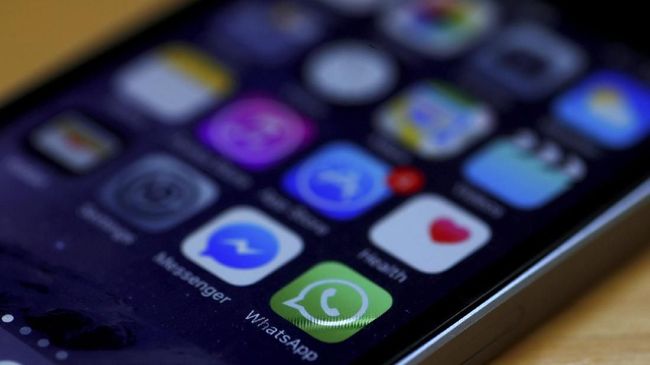
Cegah Pelecehan, Facebook Rilis Fitur Khusus untuk MessengerFacebook merilis fitur untuk memfilter pesan yang dikirim melalui Messenger. (dok. REUTERS/Phil Noble)
Jakarta, CNN Indonesia -- Facebook mengumumkan bahwa pihaknya meluncurkan dua fitur baru untuk mengantisipasi pelecehan yang kerap digunakan pada layanan pesan instannya, Messenger. Bentuknya, sistem pengenalan kontak dan penolakan panggilan.

Fitur ini dibuat lantaran banyaknya laporan mengenai pelecehan dan perundungan atau bullying pada wanita dan jurnalis melalui Messenger.

"Hari ini, kami mengumumkan perangkat baru untuk mencegah pelecehan di Facebook dan Messenger sebagai bagian dari usaha berkelanjutan kami untuk menciptakan komunitas yang aman,” tulis Facebook dalam keterangan tertulis.


Pada fitur pertama, Facebook mengklaim mampu mengenali dan membantu mencegah pengguna Messenger untuk memasukkan kontak yang tidak mereka inginkan. Misalnya, permintaan pertemanan dan pesan dari orang yang telah diblokir.

"Kami telah mendengar cerita dari banyak orang yang memblokir seseorang untuk kemudian bertemu lagi karena orang tersebut menggunakan akun yang berbeda. Untuk membantu mencegah ini terjadi, kami mengembangkan lebih jauh fitur yang sudah ada untuk mencegah akun palsu dan tidak otentik di Facebook," terang Facebook.

Perusahaan milik Mark Zuckerberg ini sebenarnya telah memiliki fitur otomatis untuk mengidentifikasi akun palsu setiap harinya. Namun, perusahaan ini mengakui bahwa akun baru yang dibuat seseorang seringkali tak terlacak menggunakan fitur tersebut.

Karenanya, perusahaan menggunakan berbagai metode, termasuk, penggunaan alamat IP, untuk membantu mengenali jenis akun secara lebih proaktif, di samping untuk mencegah pemiliknya mengirimkan pesan atau permintaan pertemanan kepada orang yang telah memblokir akun aslinya.

"Orang yang memblokir akun aslinya tersebut memegang kendali, dan harus menghubungi akun baru agar mereka dapat berinteraksi secara normal," lanjut Facebook.

Fitur kedua, lanjut Facebook, adalah opsi untuk menolak sebuah percakapan Messenger dan secara otomatis akan menghilangkannya dari kotak masuk pengguna, tanpa perlu memblokir pengirim. Dengan begitu, pengguna bisa mengabaikan pesan yang melecehkannya tanpa diketahui siapa pun, baik itu dalam grup atau perorangan.

"Tindakan ini akan menonaktifkan notifikasi dan memindahkan percakapan dari kotak masuk ke folder pesan terfilter Anda. Anda dapat membaca pesan dalam percakapan tanpa pengirim melihat apakah mereka telah membacanya," papar Facebook.

Facebook mengklaim fitur ini sekarang tersedia untuk percakapan perorangan dengan pengguna lain dan akan segera tersedia secara luas untuk pesan grup. (evn/arh)